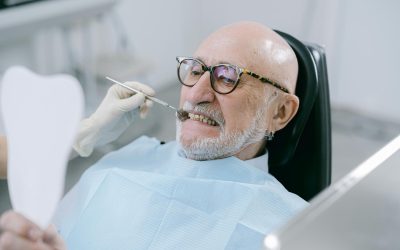


Yes, you can get dental implants with gum disease, but only after the condition is properly treated and controlled. Dentists typically require healthy gums and enough bone support before placing implants, so addressing infection, inflammation, and bone loss is essential for long-term success.
Gum disease is more common than many people realize. According to the Centers for Disease Control and Prevention, 42 percent of adults aged 30 and older show signs of periodontal disease. Have you been told you have gum issues, but still want a permanent tooth replacement? The good news is that solutions exist with proper care.
Understanding Gum Disease and Its Impact
Gum disease starts as gingivitis, which causes red, swollen gums that may bleed when brushing. If it isn’t treated, it can turn into periodontitis. At that stage, the infection spreads deeper and begins to damage the bone that supports your teeth.
Over time, this can lead to loose teeth or even tooth loss. Poor dental health often makes the problem worse and harder to manage.
Without proper gum disease treatment, bacteria can stay active and slow healing. Strong periodontal care helps control infection and protects the bone structure needed for future dental work.
Can You Get Dental Implants with Gum Disease?
Yes, dental implants with gum disease can work, but only after the infection is under control. Active gum disease can weaken the gums and bone, which makes implants less stable.
Dentists check implant eligibility by looking at gum health and bone support before moving forward. If infection is still present, the risk of implant failure goes up. Treatment must come first to create a healthier environment for healing.
In some cases, oral surgery may be needed to repair damage before placing an implant. Careful planning helps improve long-term success and keeps the implant secure over time.
Steps to Improve Implant Eligibility
Treating gum disease comes first before moving forward with implants. Dentists often begin with deep cleaning, such as scaling and root planing, to remove plaque below the gumline. In some cases, medication helps reduce infection and support healing.
Advanced cases may need surgical care to repair damaged tissue. Bone loss can affect implant eligibility, so bone grafting may be recommended to rebuild support.
Each step focuses on creating a stable base for future work. After gum disease treatment, your dentist will review progress and decide if the conditions are right for placement. Ongoing periodontal care helps maintain those results.
Oral Surgery in North Carolina
Dental implants with gum disease can be successful once the infection is treated and gum health improves. Proper preparation and ongoing care help protect results over time.
At Jelic Center, we combine university-level expertise with the personalized care of a small practice, serving the Raleigh-Durham-Chapel Hill area for nearly 20 years. We focus on thorough, individualized evaluations rather than high-volume procedures. Our collaborative network of specialists supports advanced treatments, from dental implants to facial aesthetics, delivering precise, patient-centered results with a strong emphasis on minimally invasive care and long-term outcomes.
Get in touch today to find out how we can help with your dental journey.