
A mouth biopsy is a straightforward diagnostic procedure used to examine suspicious areas in the oral cavity, helping doctors identify conditions ranging from benign growths to oral cancers. It provides clarity when visual exams alone are not enough, offering patients a reliable path to answers and next steps. For many, this test represents the turning point from uncertainty to informed treatment decisions.
Imagine noticing a small sore in your mouth that refuses to heal. Weeks pass, and it lingers, raising concern. While most oral changes are harmless, some require closer inspection, and that’s where a biopsy comes in.
But what do you need to know? Let’s go through what to know before getting a mouth biopsy.
What is a Mouth Biopsy?
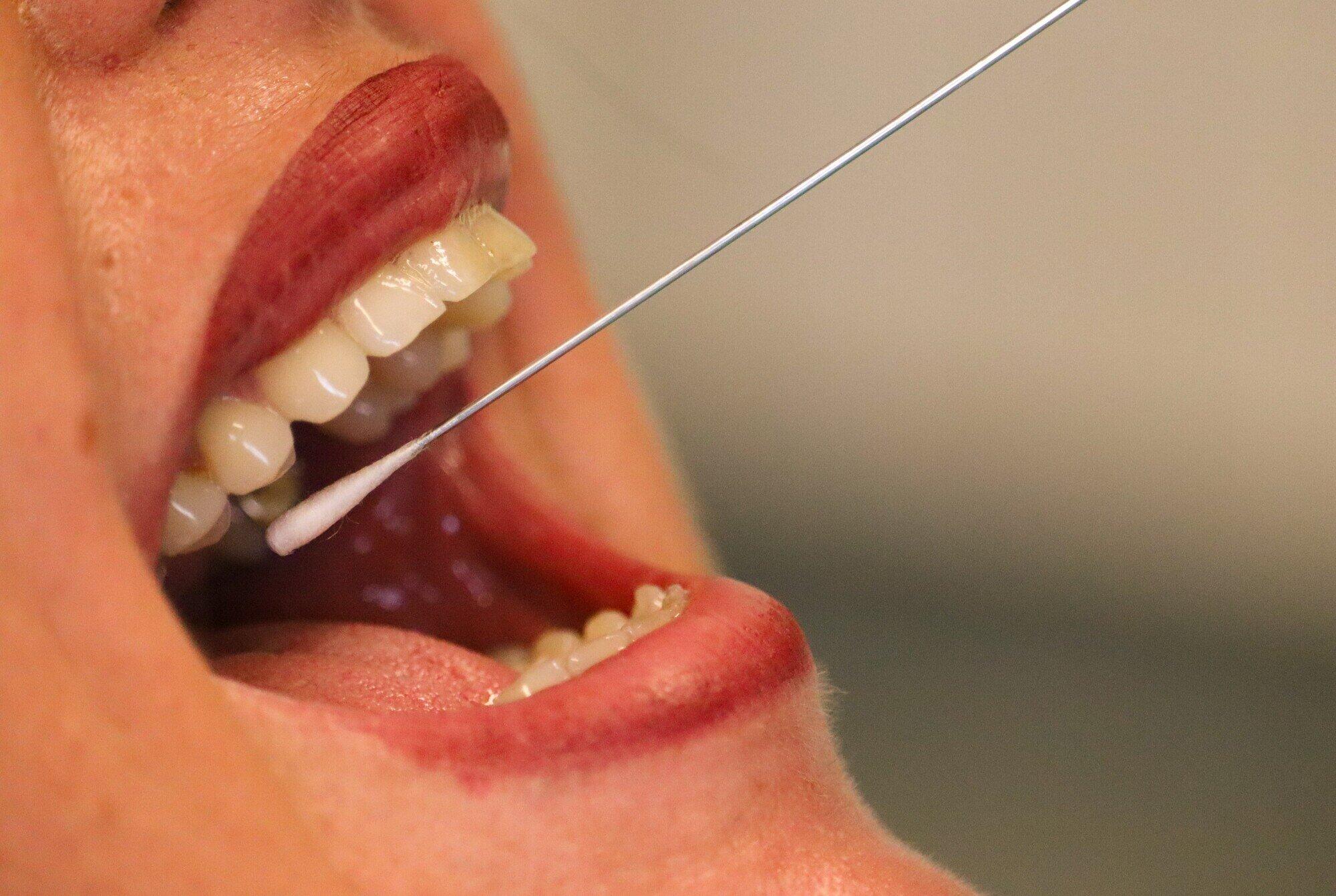
A mouth biopsy involves removing a small sample of tissue from the oral cavity for analysis. This procedure helps identify various conditions.
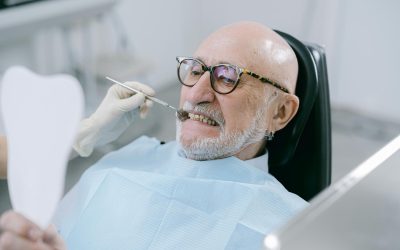
When you have a consultation with an oral surgeon, they will evaluate your specific case, do an oral tissue examination, and determine if a biopsy is necessary.
Signs for Needing Biopsy
There are several reasons your oral surgeon may recommend a mouth biopsy:
- Unexplained sores or lesions that do not heal
- Chronic pain or swelling in the mouth
- Abnormal tissue growths or lumps
- Changes in the color or texture of your oral mucosa
- Persistent symptoms that indicate a potential infection
A mouth biopsy can provide your healthcare team with vital information to develop an appropriate plan for managing your oral health.
How is a Mouth Biopsy Procedure Performed?
Here’s what you can expect from a mouth biopsy:
- Your oral surgeon will numb the area with a local anesthetic to minimize discomfort
- They will then use a sterile instrument to remove a small sample of tissue from the target area
- The biopsy site may be stitched up, depending on the size and location of the sample
- Your surgeon will provide you with post-operative instructions to ensure proper healing
What to Expect Post-Biopsy?
Post-operative care is crucial for a smooth recovery. Following your oral surgeon’s recommendations can help minimize discomfort and reduce the risk of complications. You may experience some swelling or soreness in the biopsy area, which is normal. Here are some tips for a quicker recovery:
- Follow oral hygiene instructions carefully
- Avoid hot or spicy foods
- Utilize over-the-counter pain medications as needed
- Attend your follow-up appointment
Remember to monitor the biopsy site for any signs of infection, like excessive redness or discharge.
Understanding Your Results
Receiving the results of your mouth biopsy can be an emotional experience. It’s important to approach this part of the process with patience and clarity. If the results indicate a benign condition, your treatment may involve simple monitoring.
However, if the results show abnormalities, your oral surgeon will discuss potential next steps, which may include further treatment options.
Mouth Biopsy: Now You Know
Clearly, getting a mouth biopsy can be stressful. Now that you have more info, hopefully you’ll be less worried!
When it comes to something as important as a mouth biopsy, you deserve answers delivered with precision and care. At the Jelic Center, our team combines advanced imaging technology with two decades of surgical expertise to give you a clear diagnosis and peace of mind.
Schedule your consultation today at our Durham office.